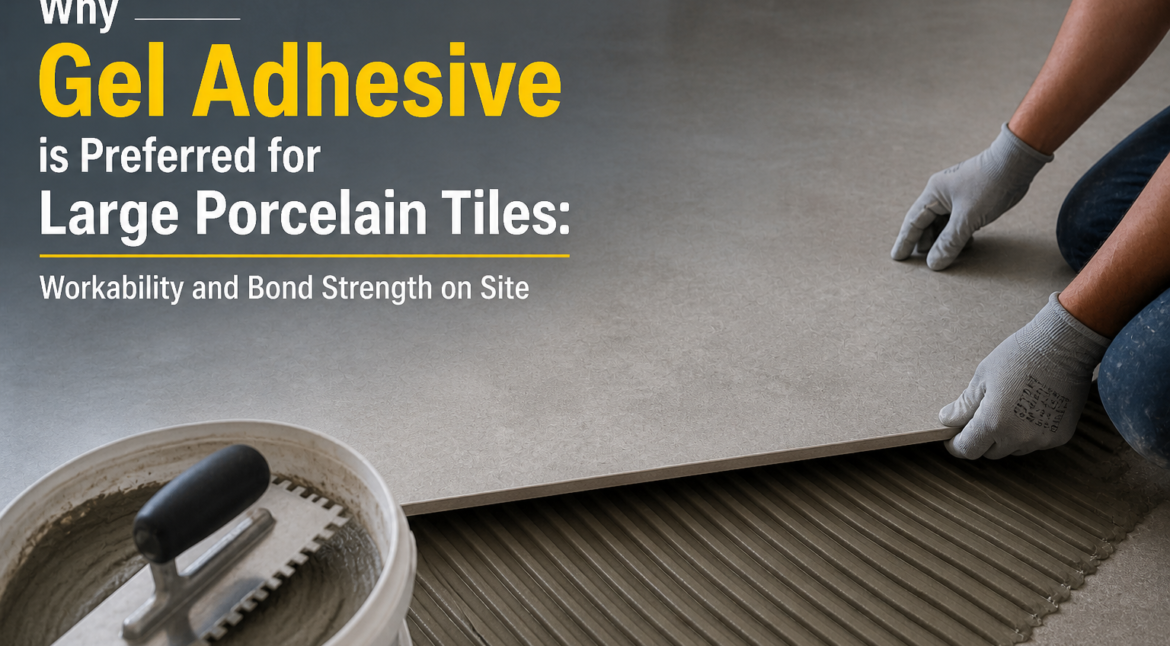


Why Gel Adhesive is Preferred for Large Porcelain Tiles: Workability and Bond Strength on Site

Why Gel Adhesive is Preferred for Large Porcelain Tiles: Workability and Bond Strength on Site Large porcelain tiles have become a preferred choice in modern construction due to their aesthetics, minimal joints, and premium finish. However, installing these tiles is far more demanding than standard tile applications. Their size, weight,…

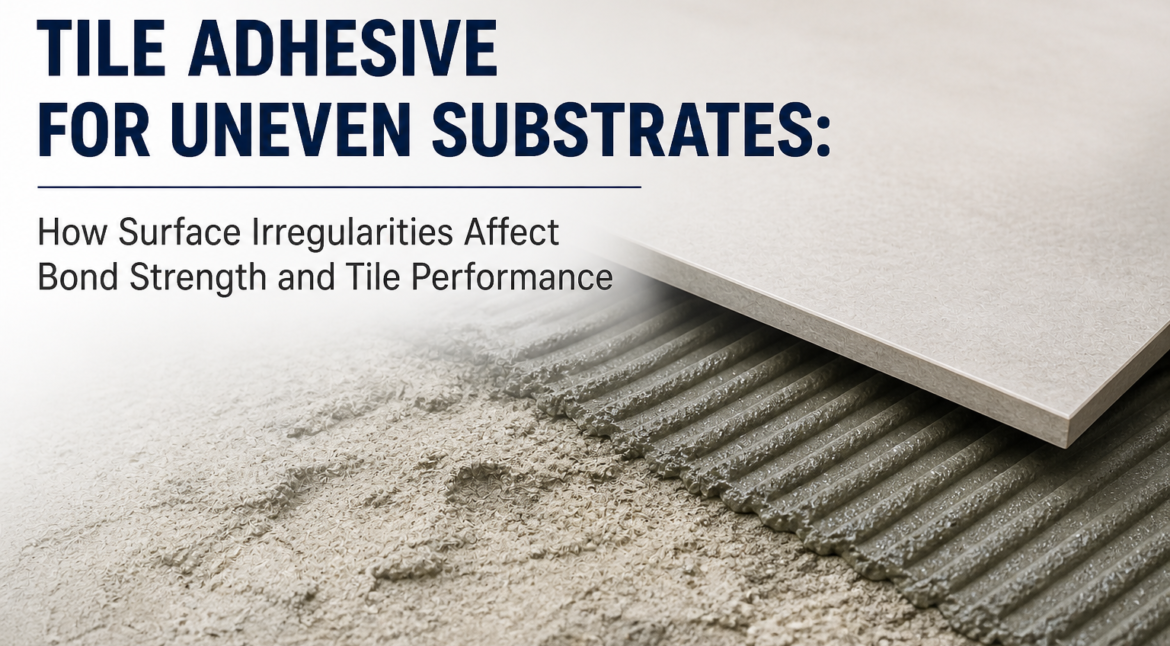
Tile Adhesive for Uneven Substrates: How Surface Irregularities Affect Bond Strength and Tile Performance

Tile Adhesive for Uneven Substrates: How Surface Irregularities Affect Bond Strength and Tile Performance Tile installation performance depends heavily on substrate condition. One of the most common on-site issues is tiling over uneven or poorly prepared surfaces. Even high-quality tiles can fail if the base is not properly leveled. Using…

Waterproofing Chemicals for Overhead Tanks: Preventing Leakage Through Construction Joints and Microcracks

Waterproofing Chemicals for Overhead Tanks: Preventing Leakage Through Construction Joints and Microcracks Overhead water tanks are critical components in residential, commercial, and industrial buildings. Since they store water continuously, they are always under internal hydrostatic pressure. Even small defects such as microcracks or weak construction joints can eventually lead to…

Why Crack Fillers Fail in Repairs: Surface Issues, Application Errors, and Material Limitations

Why Crack Fillers Fail in Repairs: Surface Issues, Application Errors, and Material Limitations Crack repair is one of the most common maintenance activities in construction, yet it is also one of the most frequently repeated. Cracks often reappear, widen, or allow moisture ingress even after repair, leading to ongoing damage…

Concrete Admixtures for Mass Concreting: Controlling Heat and Preventing Thermal Cracks

Concrete Admixtures for Mass Concreting: Controlling Heat and Preventing Thermal Cracks Mass concreting is used in large structural elements such as foundations, dams, raft slabs, and thick retaining walls. Unlike normal concrete applications, mass concrete generates a significant amount of heat during cement hydration. If not properly controlled, this heat…

Waterproofing Chemicals for Damp Walls After Plaster: Causes and Site-Level Solutions

Waterproofing Chemicals for Damp Walls After Plaster: Causes and Site-Level Solutions Damp walls after plastering are one of the most frustrating problems in construction. A wall may appear perfectly finished initially, but within weeks or months, signs of dampness begin to appear. These include paint peeling, surface discoloration, salt deposits,…

How Concrete Admixtures Improve Strength, Durability, and Workability of Concrete

How Concrete Admixtures Improve Strength, Durability, and Workability of Concrete Concrete is one of the most widely used construction materials in the world. From residential buildings to large infrastructure projects, concrete forms the backbone of modern construction. However, the performance of concrete depends on several factors such as mix design,…

How Liquid Membrane Waterproofing Chemicals Protect Roofs and Terraces from Leakage

How Liquid Membrane Waterproofing Chemicals Protect Roofs and Terraces from Leakage Water leakage from roofs and terraces is one of the most common structural problems in residential and commercial buildings. Roof slabs are constantly exposed to rainfall, temperature fluctuations, UV radiation, and structural movement. Over time, these conditions can cause…

Wall Putty Over Damp Plaster: Long-Term Effects on Paint Adhesion and Surface Durability

Wall Putty Over Damp Plaster: Long-Term Effects on Paint Adhesion and Surface Durability In building finishing works, wall surfaces are expected to remain smooth, durable, and aesthetically consistent for many years. However, one of the most common problems observed in residential and commercial buildings is paint peeling or surface powdering…
epoxy primer

Moisture Testing Before Applying Epoxy Primer: When Concrete Is Too Wet for Coating Systems

Moisture Testing Before Applying Epoxy Primer: When Concrete Is Too Wet for Coating Systems Industrial floor coatings depend heavily on proper substrate preparation. Even high-quality coating systems can fail if the underlying concrete contains excessive moisture. One of the most common reasons floor coatings peel, blister, or delaminate is the…

Download Brochure Now