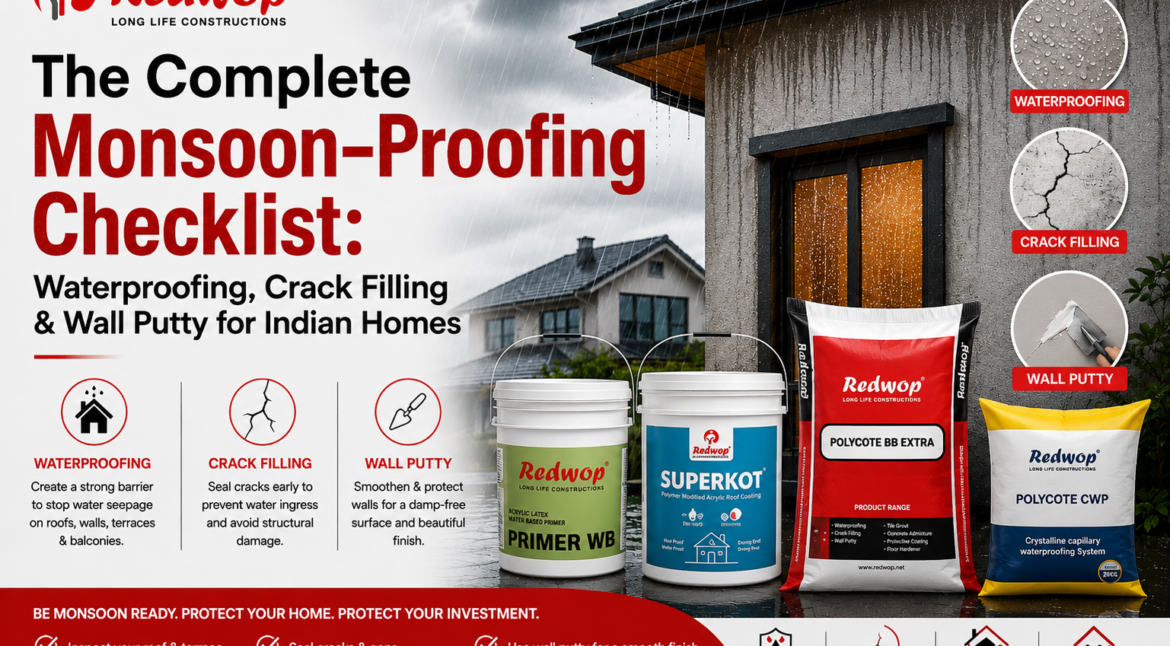


The Complete Monsoon-Proofing Checklist: Waterproofing, Crack Filling & Wall Putty for Indian Homes Every June, the same scene repeats itself across Indian homes a faint yellow patch spreads across a ceiling, a bedroom wall starts “sweating” white salt crystals, or a hairline crack on the terrace suddenly turns into a…
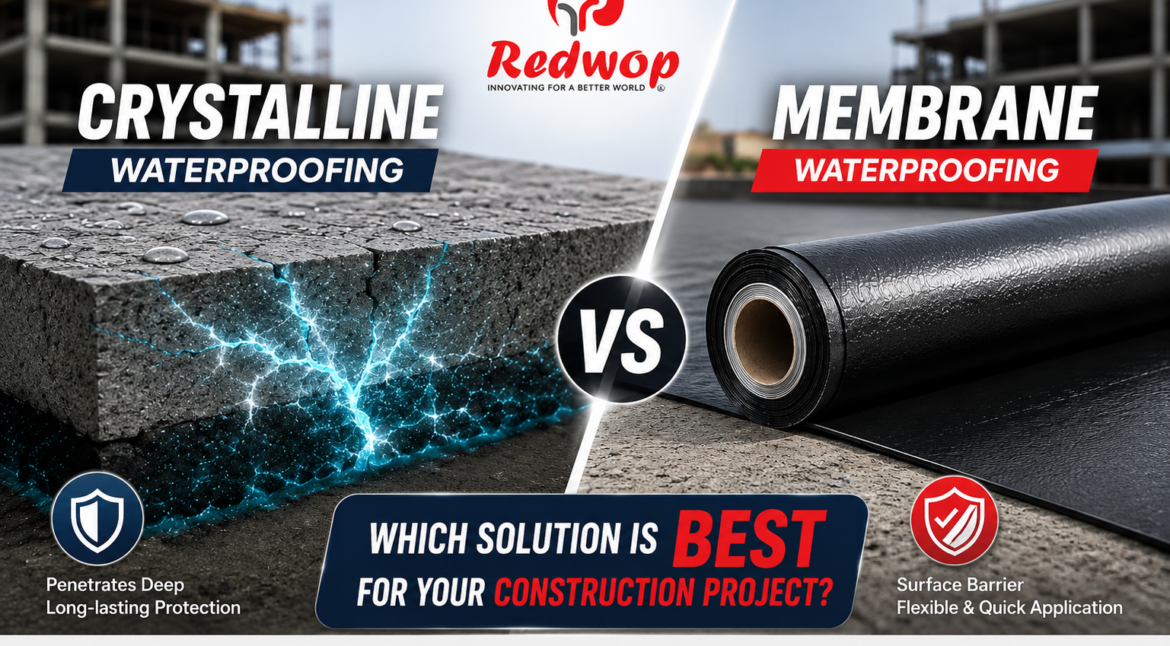
Crystalline vs Membrane Waterproofing: Which Solution Is Best for Your Construction Project? Water is the single greatest threat to any concrete structure over its lifetime. In India where buildings face everything from sustained monsoon downpours to high-humidity coastal conditions and aggressive soil chemistry choosing the right waterproofing system at the…
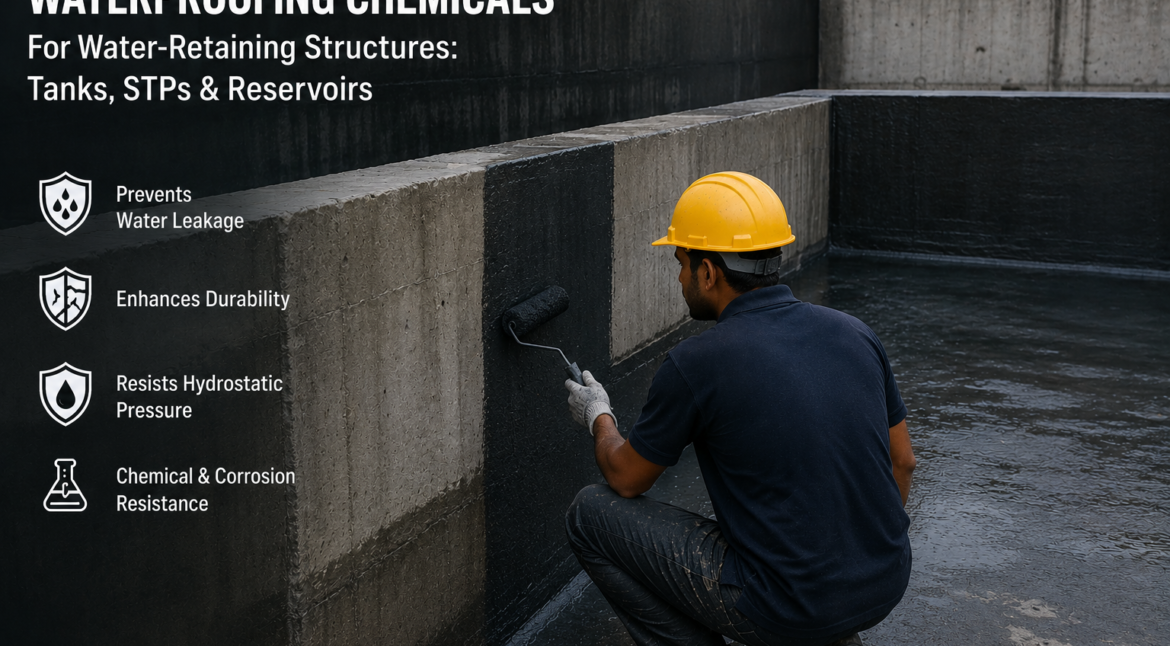
Waterproofing Chemicals for Water-Retaining Structures: Tanks, STPs & Reservoirs Water-retaining structures are expected to perform continuously for years while remaining watertight under constant exposure to water. Whether it is an overhead water tank, underground reservoir, sewage treatment plant (STP), fire water tank, or industrial water storage structure, leakage is not…
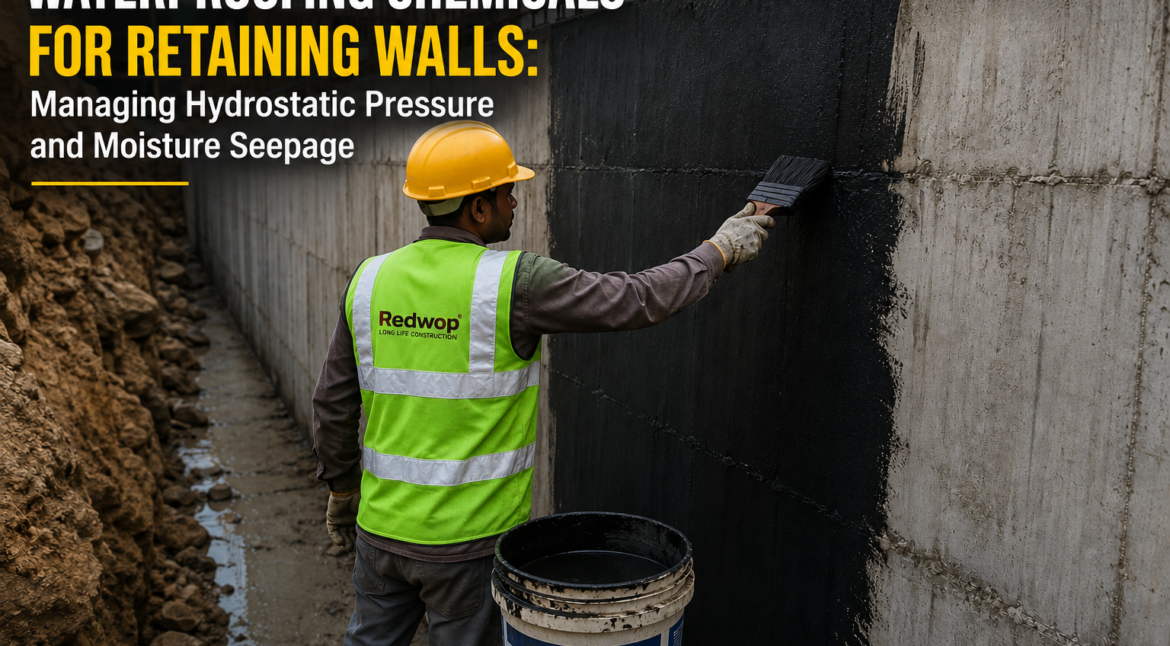
Waterproofing Chemicals for Retaining Walls: Managing Hydrostatic Pressure and Moisture Seepage Retaining walls are continuously exposed to soil moisture, groundwater pressure, and changing environmental conditions. Unlike exposed walls, retaining structures remain in constant contact with damp soil, making them highly vulnerable to seepage, water penetration, and long-term structural deterioration. If…
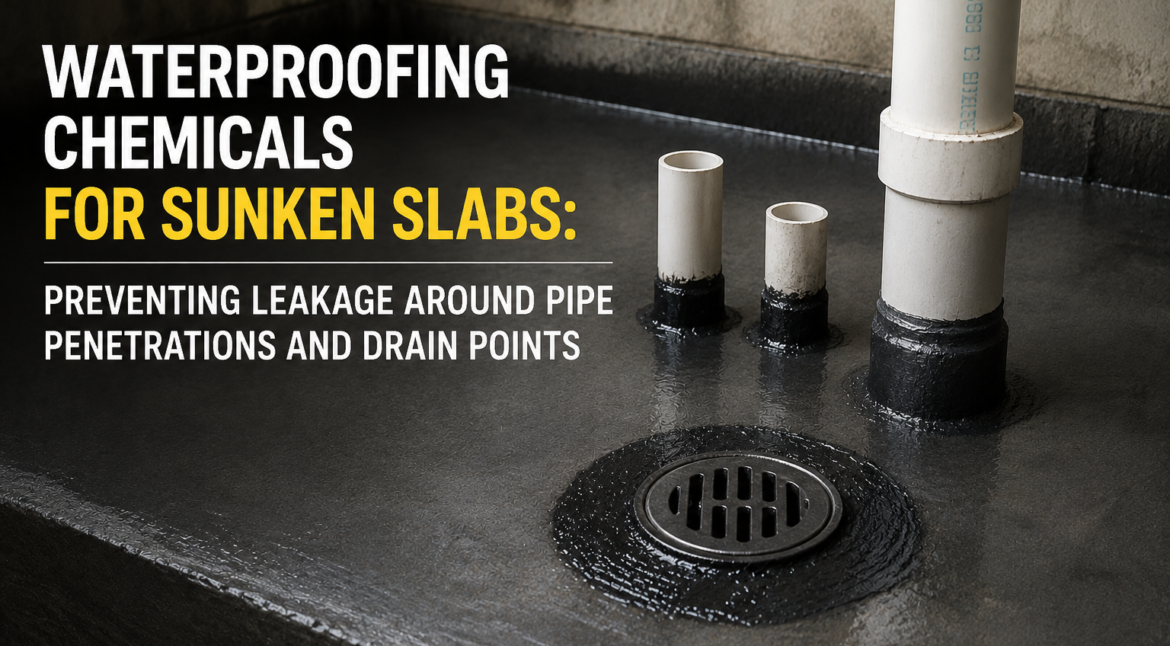
Waterproofing Chemicals for Sunken Slabs: Preventing Leakage Around Pipe Penetrations and Drain Points Sunken slabs are one of the most leakage-prone areas in residential and commercial construction. Bathrooms, toilets, utility areas, and wet zones contain multiple pipe penetrations, drainage outlets, and construction joints that create vulnerable points for water ingress.…
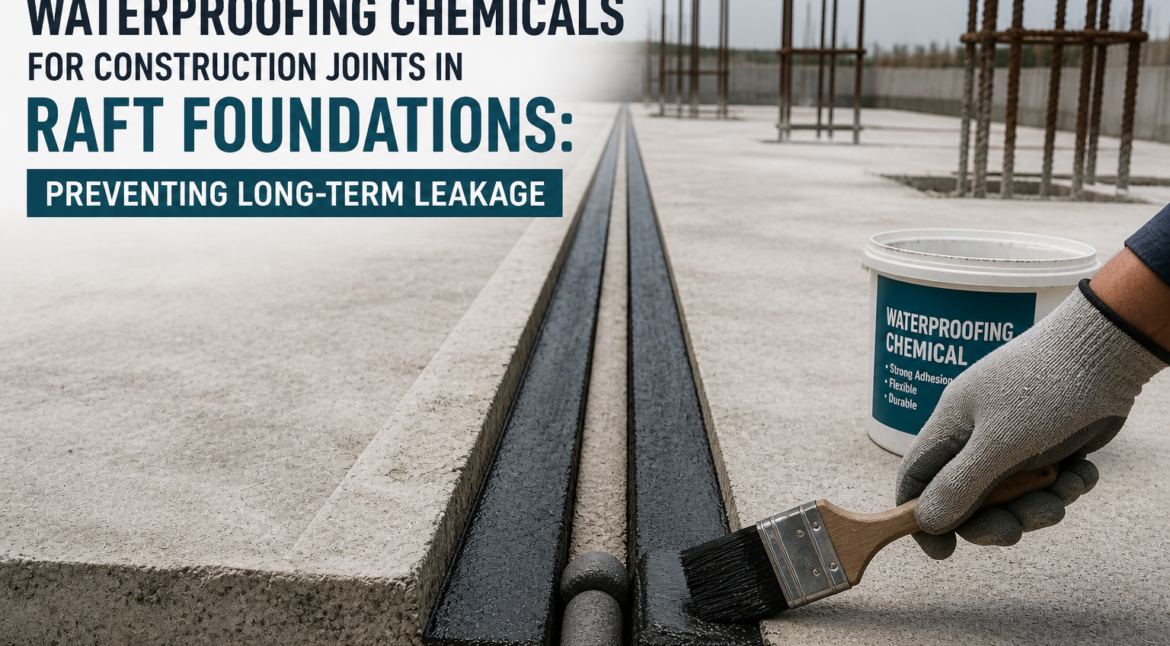
Waterproofing Chemicals for Construction Joints in Raft Foundations: Preventing Long-Term Leakage Raft foundations are widely used in modern construction to distribute structural loads evenly across the soil. However, one of the most critical vulnerabilities in raft foundations is the construction joints. These joints, formed due to staged concrete pouring, often…
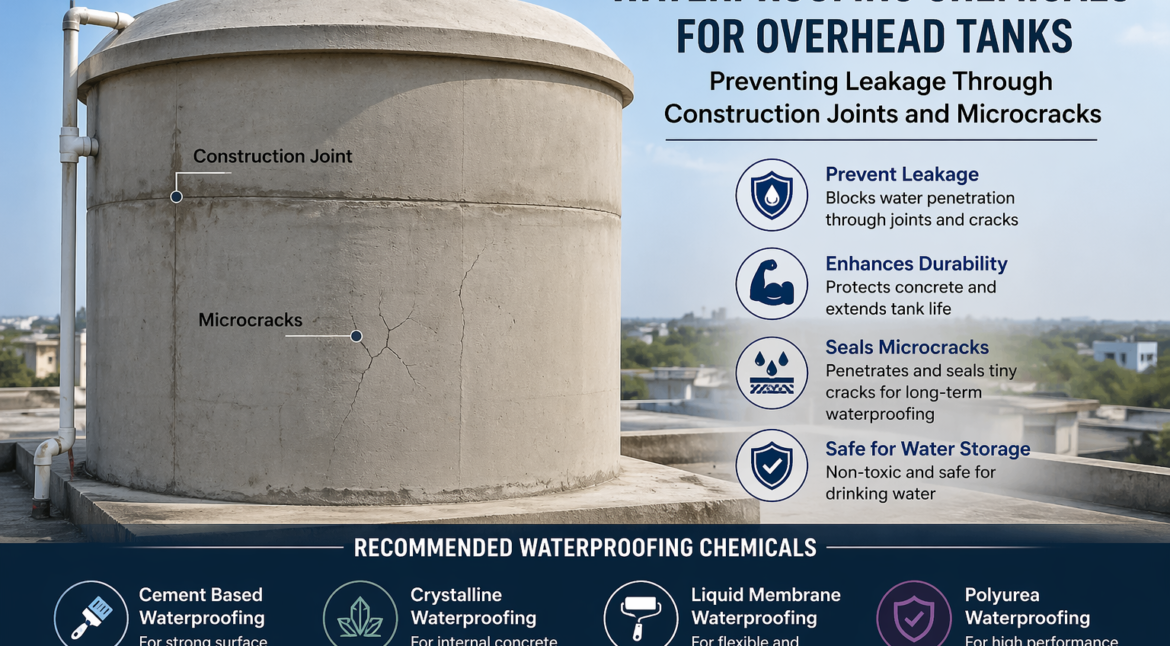
Waterproofing Chemicals for Overhead Tanks: Preventing Leakage Through Construction Joints and Microcracks Overhead water tanks are critical components in residential, commercial, and industrial buildings. Since they store water continuously, they are always under internal hydrostatic pressure. Even small defects such as microcracks or weak construction joints can eventually lead to…
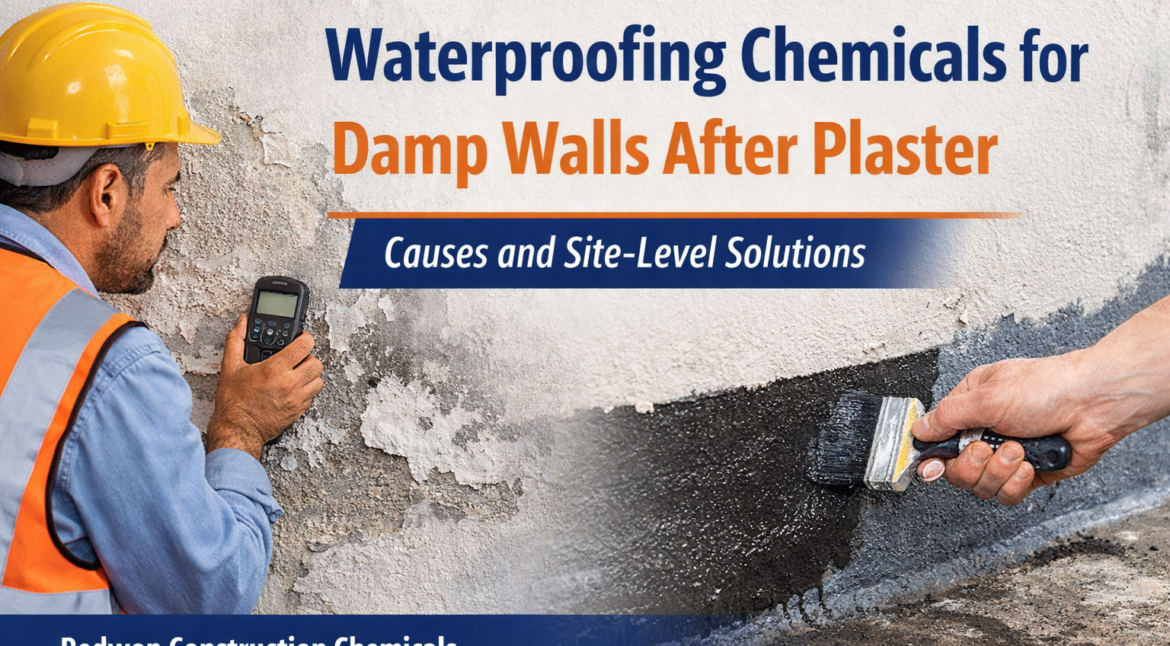
Waterproofing Chemicals for Damp Walls After Plaster: Causes and Site-Level Solutions Damp walls after plastering are one of the most frustrating problems in construction. A wall may appear perfectly finished initially, but within weeks or months, signs of dampness begin to appear. These include paint peeling, surface discoloration, salt deposits,…
How Liquid Membrane Waterproofing Chemicals Protect Roofs and Terraces from Leakage Water leakage from roofs and terraces is one of the most common structural problems in residential and commercial buildings. Roof slabs are constantly exposed to rainfall, temperature fluctuations, UV radiation, and structural movement. Over time, these conditions can cause…
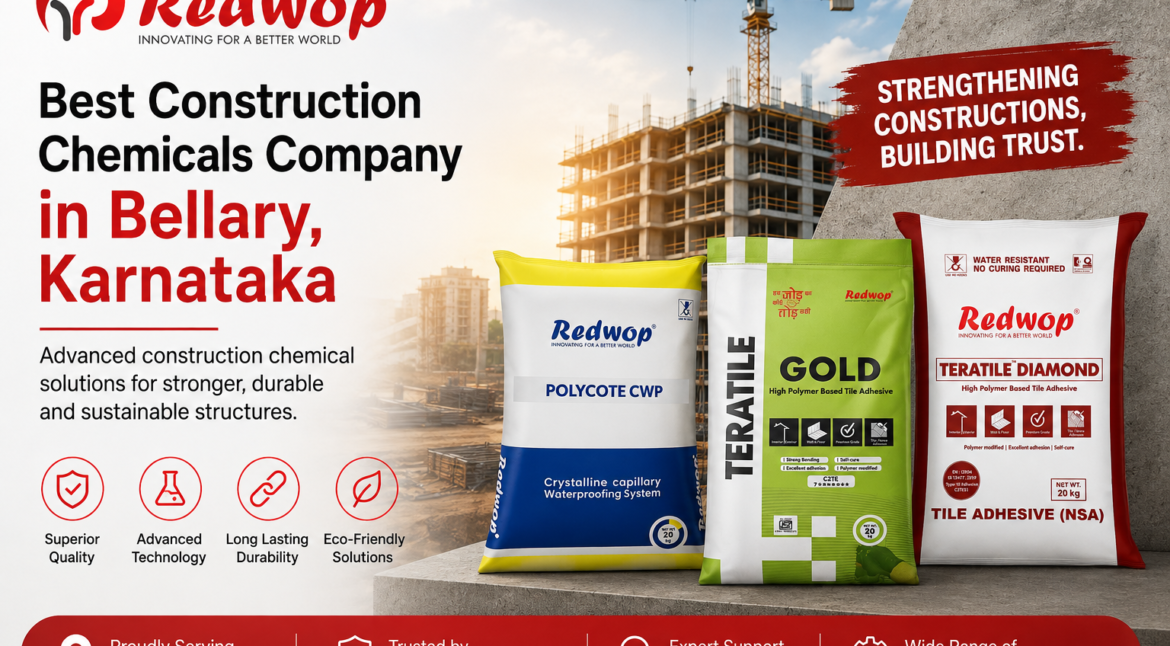
Best Waterproofing Chemical Manufacturers in India Waterproofing is an important part of modern construction, ensuring longevity and protecting against water damage. High-quality waterproofing solutions are important for protecting a building’s foundation, roof, and tiles. As India’s waterproofing chemical producer, Redwop Chemicals stands out for its unique products and consistent performance.…