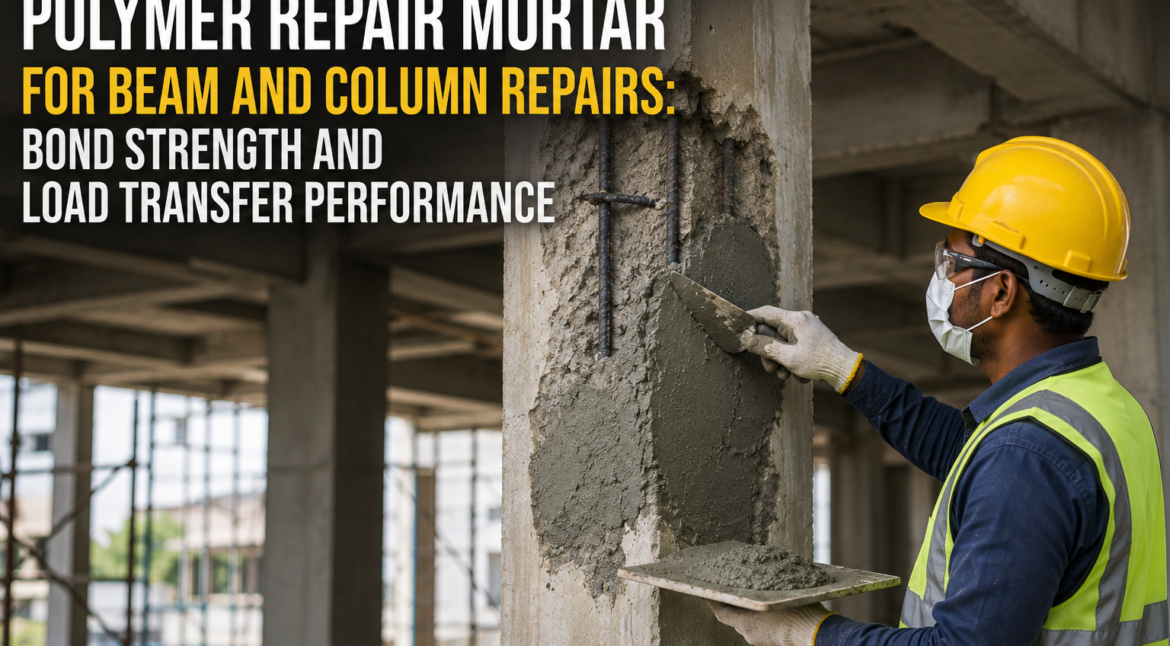



Polymer Repair Mortar for Beam and Column Repairs: Bond Strength and Load Transfer Performance

Polymer Repair Mortar for Beam and Column Repairs: Bond Strength and Load Transfer Performance Beams and columns are among the most critical structural elements in any RCC structure. Over time, these members can suffer from cracking, honeycombing, reinforcement corrosion, impact damage, or concrete deterioration caused by environmental exposure and structural…

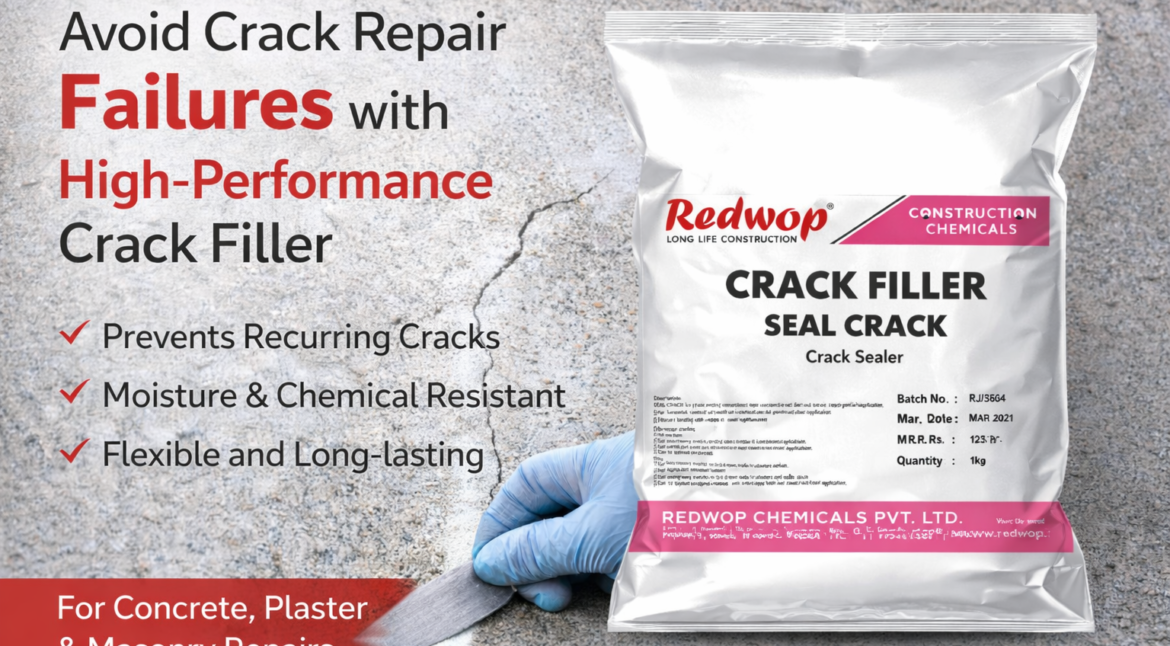
Why Crack Fillers Fail in Repairs: Surface Issues, Application Errors, and Material Limitations

Why Crack Fillers Fail in Repairs: Surface Issues, Application Errors, and Material Limitations Crack repair is one of the most common maintenance activities in construction, yet it is also one of the most frequently repeated. Cracks often reappear, widen, or allow moisture ingress even after repair, leading to ongoing damage…

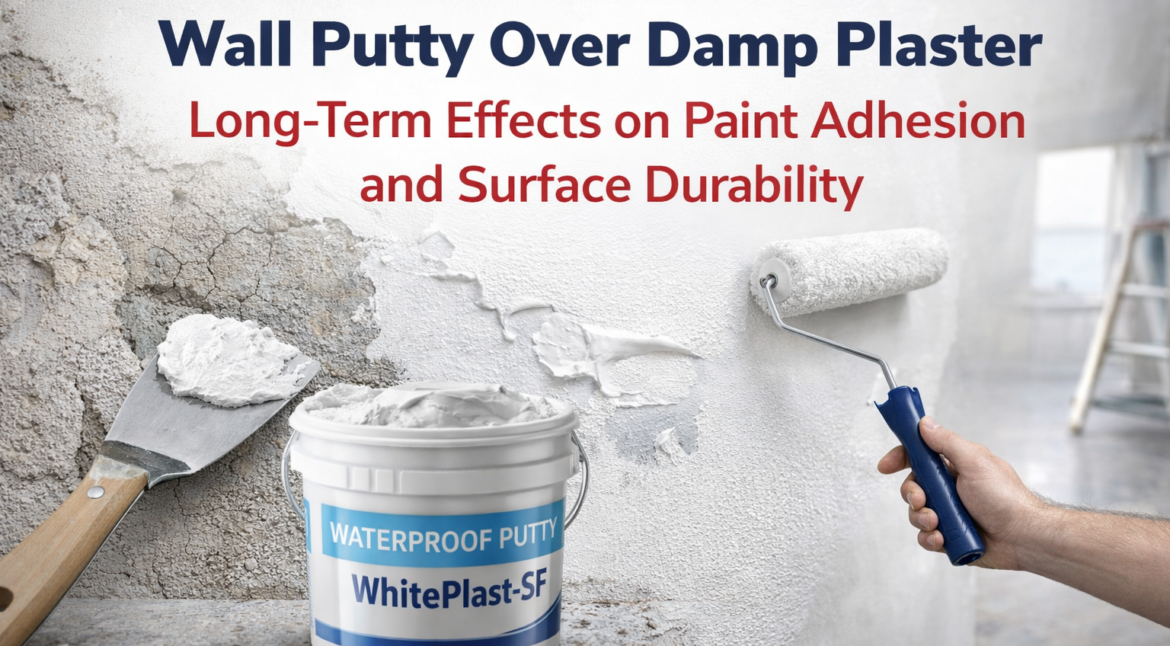
Wall Putty Over Damp Plaster: Long-Term Effects on Paint Adhesion and Surface Durability

Wall Putty Over Damp Plaster: Long-Term Effects on Paint Adhesion and Surface Durability In building finishing works, wall surfaces are expected to remain smooth, durable, and aesthetically consistent for many years. However, one of the most common problems observed in residential and commercial buildings is paint peeling or surface powdering…
epoxy primer

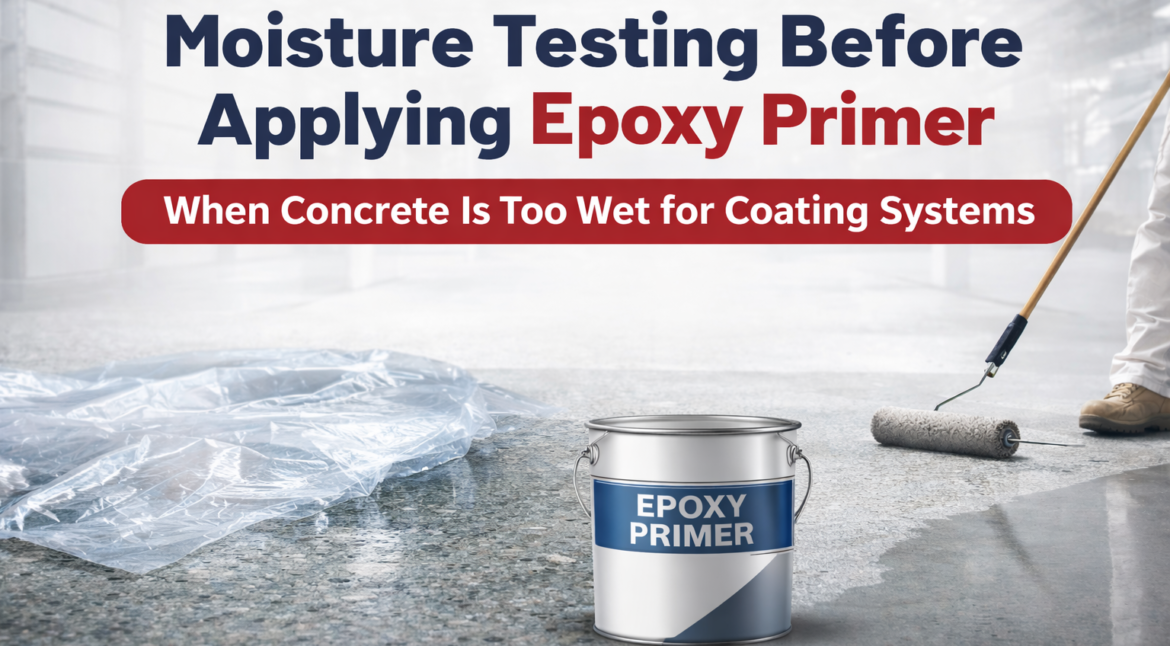
Moisture Testing Before Applying Epoxy Primer: When Concrete Is Too Wet for Coating Systems

Moisture Testing Before Applying Epoxy Primer: When Concrete Is Too Wet for Coating Systems Industrial floor coatings depend heavily on proper substrate preparation. Even high-quality coating systems can fail if the underlying concrete contains excessive moisture. One of the most common reasons floor coatings peel, blister, or delaminate is the…
Self Leveling Flooring

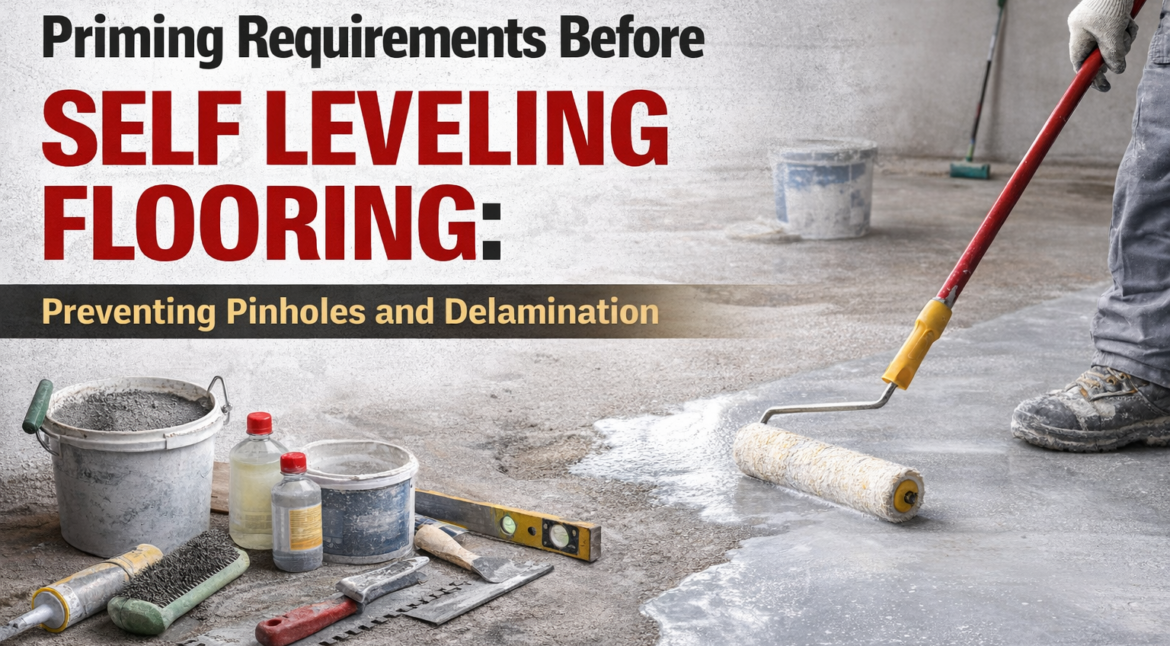
Priming Requirements Before Self Leveling Flooring: Preventing Pinholes and Delamination

Priming Requirements Before Self Leveling Flooring: Preventing Pinholes and Delamination Self leveling systems are designed to create smooth, flat, and durable floor surfaces. However, many flooring failures are not caused by the topping layer itself; they originate at the substrate interface. Pinholes, bubbling, surface craters, and even full delamination are…
Polymer Repair Mortar

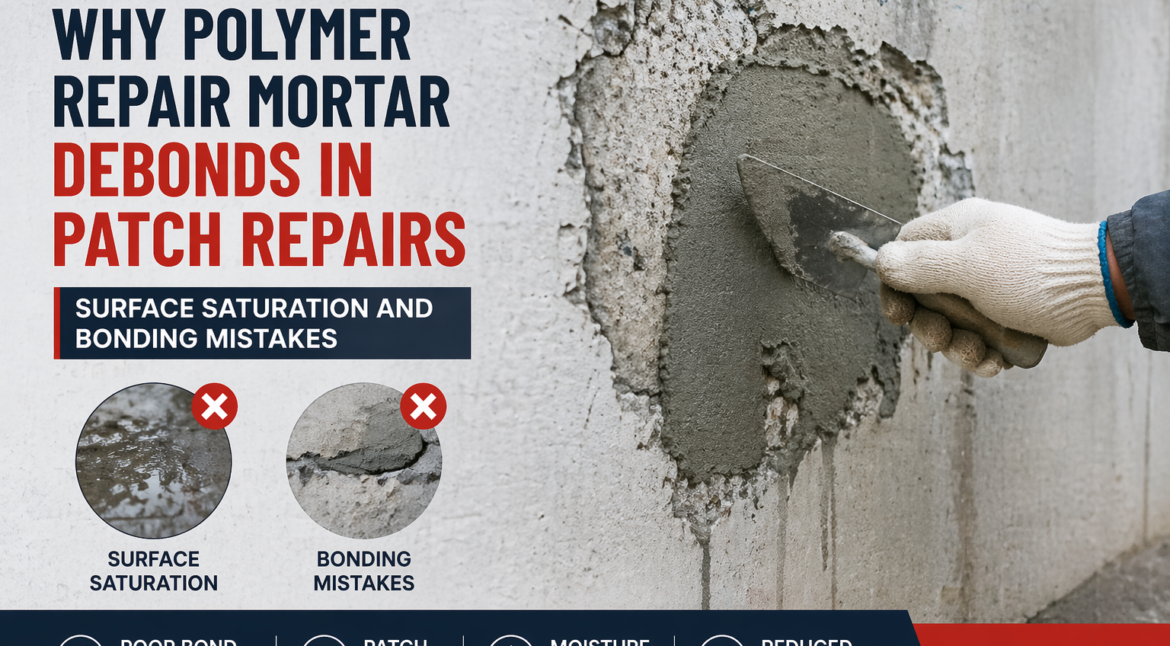
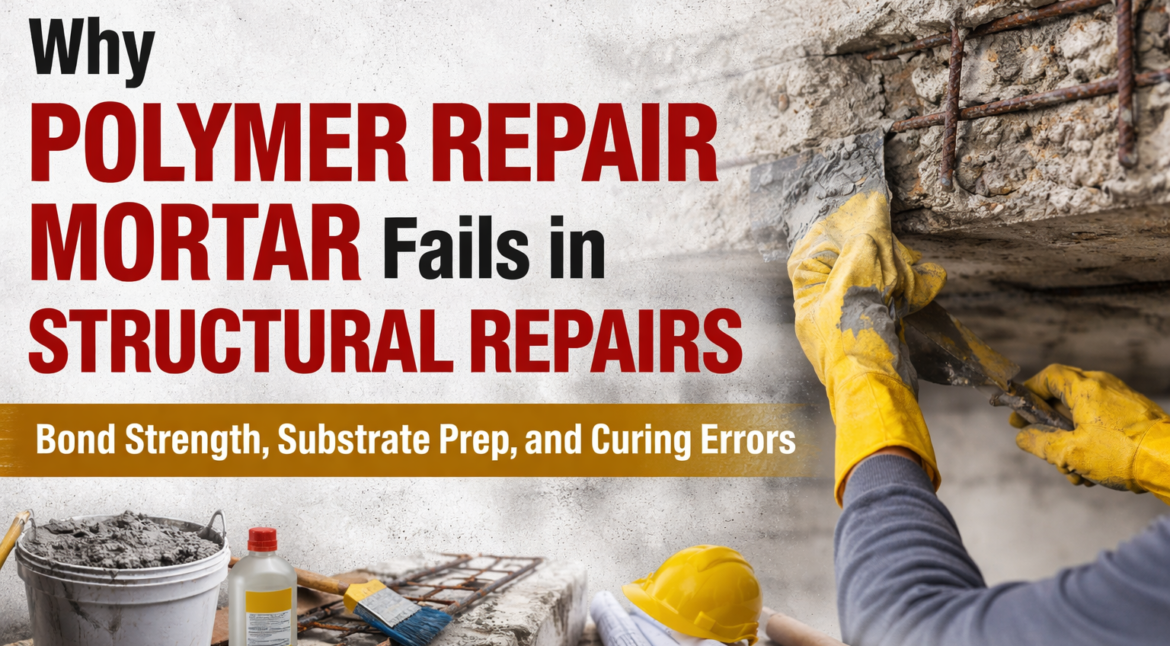
Why Polymer Repair Mortar Fails in Structural Repairs: Bond Strength, Substrate Prep, and Curing Errors

Why Polymer Repair Mortar Fails in Structural Repairs: Bond Strength, Substrate Prep, and Curing Errors Structural concrete repairs are not just cosmetic fixes. When beams, slabs, or columns are repaired, the new repair layer must integrate fully with the existing structure. If the repair material fails to bond properly or…
Ready Mix Plaster

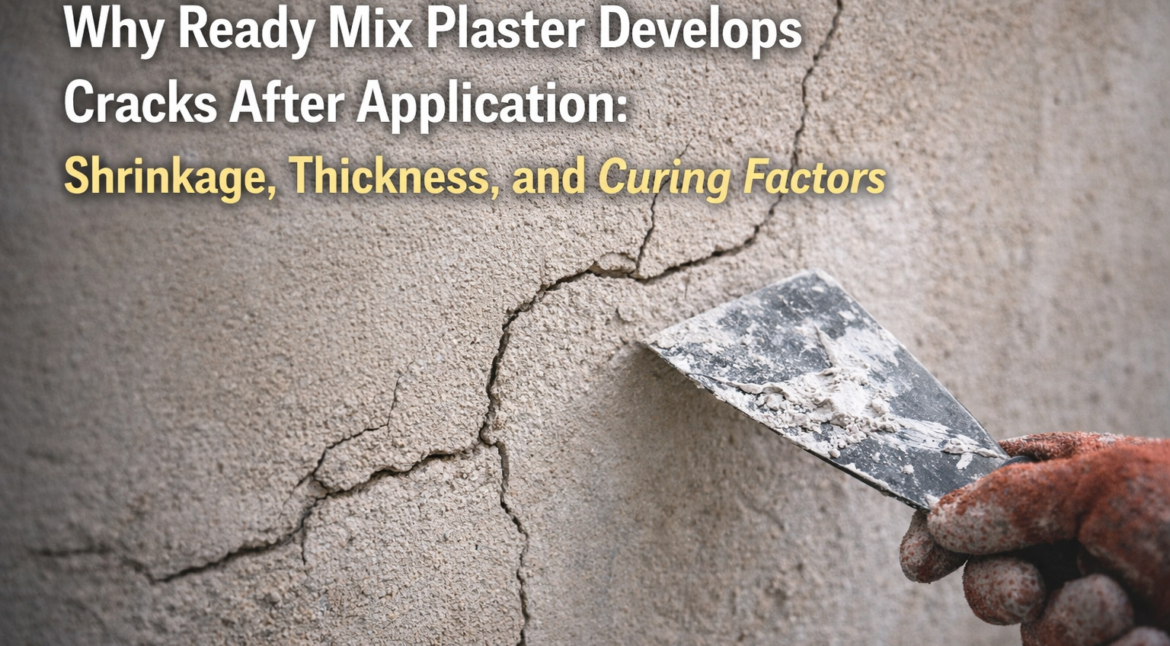
Why Ready Mix Plaster Develops Cracks After Application: Shrinkage, Thickness, and Curing Factors

Why Ready Mix Plaster Develops Cracks After Application: Shrinkage, Thickness, and Curing Factors Cracks in plastered walls are one of the most common post-finishing issues in construction. A surface may look smooth immediately after application, but within days or weeks, fine cracks begin to appear. In some cases, they grow…

Concrete Admixtures for Precast Elements: Strength Gain, Surface Finish, and Demoulding Speed

Concrete Admixtures for Precast Elements: Strength Gain, Surface Finish, and Demoulding Speed Precast concrete manufacturing is all about consistency, speed, and quality. Unlike site concrete, precast elements are produced in controlled environments where early strength, surface finish, and faster demoulding directly affect productivity and cost. A small delay in strength…

Download Brochure Now