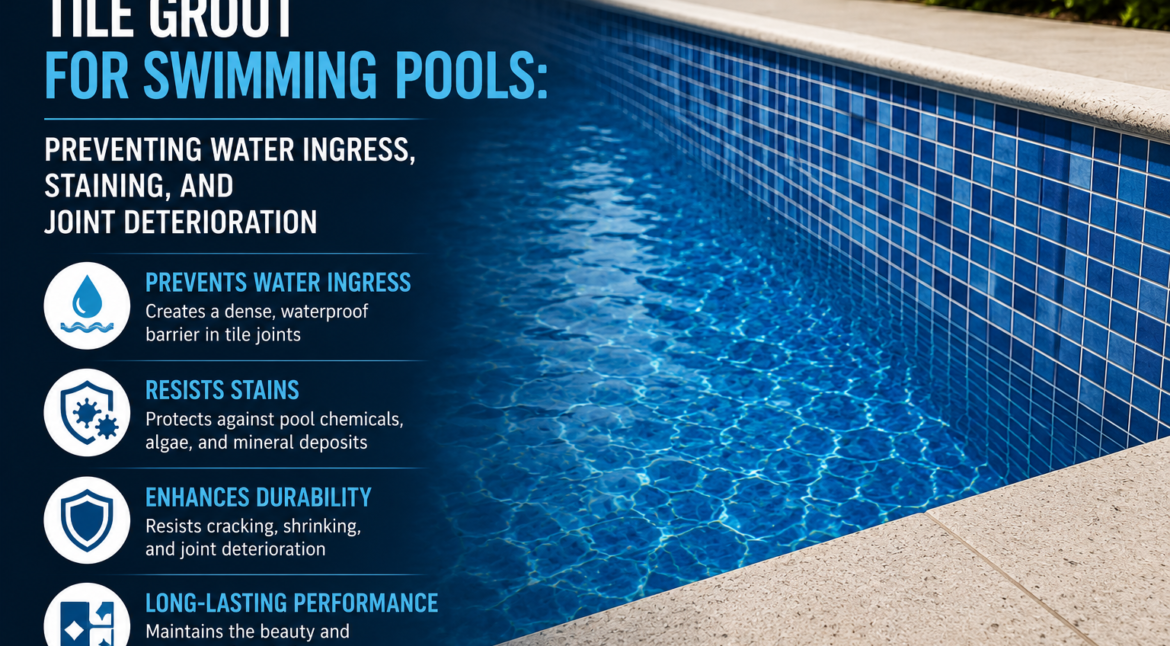


Tile Grout for Swimming Pools: Preventing Water Ingress, Staining, and Joint Deterioration Swimming pools operate in one of the most demanding environments for tiled surfaces. Unlike regular floors and walls, pool tiles remain in constant contact with water, chemicals, temperature fluctuations, and cleaning agents. While tiles often receive most of…
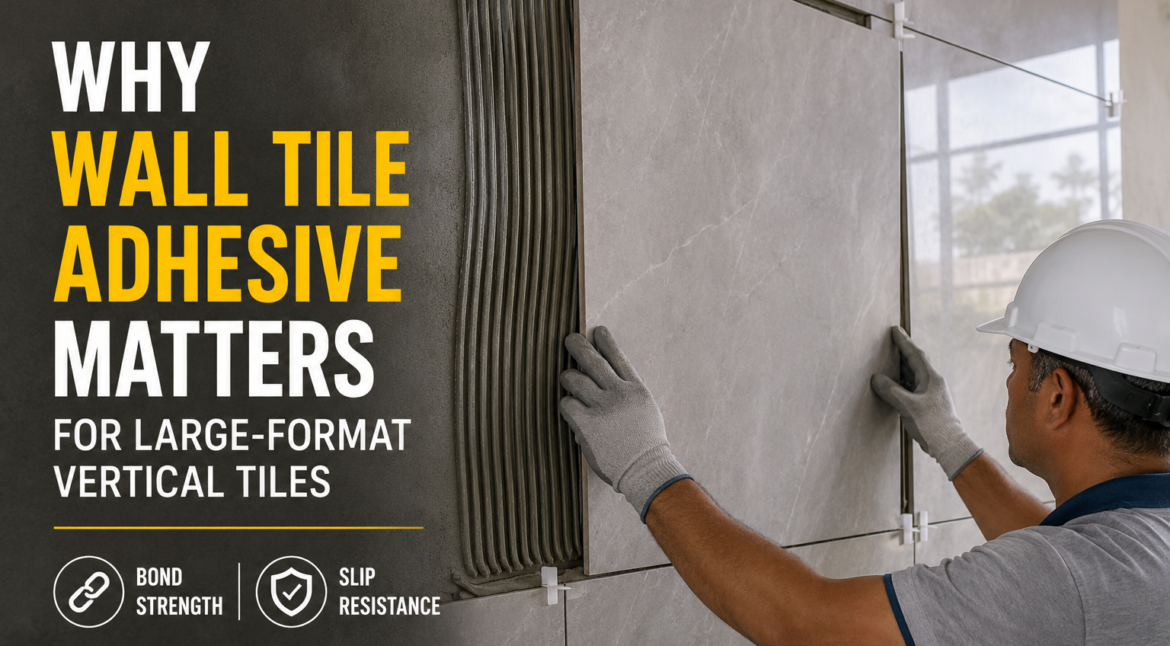
Why Wall Tile Adhesive Matters for Large-Format Vertical Tiles: Bond Strength and Slip Resistance Large-format tiles have become increasingly popular in residential, commercial, and hospitality projects because of their modern appearance, minimal grout lines, and premium finish. However, installing large-format tiles on vertical surfaces presents unique challenges that are very…
Why Tile Adhesive Fails in High-Vibration Areas: Bond Stability Under Dynamic Loads Tiled surfaces installed in high-vibration environments face far greater stress than ordinary residential flooring. Industrial facilities, commercial kitchens, factories, machine rooms, transport hubs, and heavy-traffic areas constantly transfer movement and vibration into the substrate. Under these conditions, standard…
Waterproofing Chemicals for Retaining Walls: Managing Hydrostatic Pressure and Moisture Seepage Retaining walls are continuously exposed to soil moisture, groundwater pressure, and changing environmental conditions. Unlike exposed walls, retaining structures remain in constant contact with damp soil, making them highly vulnerable to seepage, water penetration, and long-term structural deterioration. If…
Polymer Repair Mortar for Beam and Column Repairs: Bond Strength and Load Transfer Performance Beams and columns are among the most critical structural elements in any RCC structure. Over time, these members can suffer from cracking, honeycombing, reinforcement corrosion, impact damage, or concrete deterioration caused by environmental exposure and structural…
Epoxy Tile Adhesive for Metal Staircases and Fabricated Structures: Bonding Challenges and Solutions
Epoxy Tile Adhesive for Metal Staircases and Fabricated Structures: Bonding Challenges and Solutions Modern commercial and industrial projects increasingly use fabricated steel staircases because of their faster installation, lighter structural load, and architectural flexibility. However, tiling over metal surfaces is far more challenging than conventional RCC staircases. Unlike concrete, metal…
Tile Adhesive for Staircases and Step Risers: Preventing Tile Slip and Edge Detachment Staircases are one of the most demanding tiled areas in any building. Unlike regular floors, stairs are exposed to concentrated foot traffic, edge impact, vibration, and constant movement stress. Because of this, tile failures on staircases are…
Tile Grout for Outdoor Paving: Managing Rainwater, Dirt Accumulation, and Joint Washout Outdoor paving areas are constantly exposed to harsh environmental conditions. Unlike indoor tiled surfaces, pavements, walkways, terraces, and landscape areas face continuous rainwater exposure, temperature variation, dirt accumulation, and surface movement. These conditions place significant stress on tile…
Waterproofing Chemicals for Sunken Slabs: Preventing Leakage Around Pipe Penetrations and Drain Points Sunken slabs are one of the most leakage-prone areas in residential and commercial construction. Bathrooms, toilets, utility areas, and wet zones contain multiple pipe penetrations, drainage outlets, and construction joints that create vulnerable points for water ingress.…
Tile Adhesive for Sun-Exposed Terraces: Managing Thermal Expansion and Tile Debonding Terrace tiling is exposed to some of the harshest environmental conditions in construction. Unlike indoor floors, terrace surfaces face constant sunlight, temperature fluctuations, rainwater exposure, and thermal movement throughout the day. These conditions create continuous stress between the tile,…
Waterproofing Chemicals for Construction Joints in Raft Foundations: Preventing Long-Term Leakage Raft foundations are widely used in modern construction to distribute structural loads evenly across the soil. However, one of the most critical vulnerabilities in raft foundations is the construction joints. These joints, formed due to staged concrete pouring, often…
Cementitious Grouts in Wet Areas: Preventing Discoloration, Powdering, and Water Absorption Wet areas such as bathrooms, kitchens, balconies, and utility spaces are constantly exposed to moisture. In these conditions, tile joints are often the weakest link. Over time, issues like discoloration, powdering, and water absorption begin to appear, affecting both…