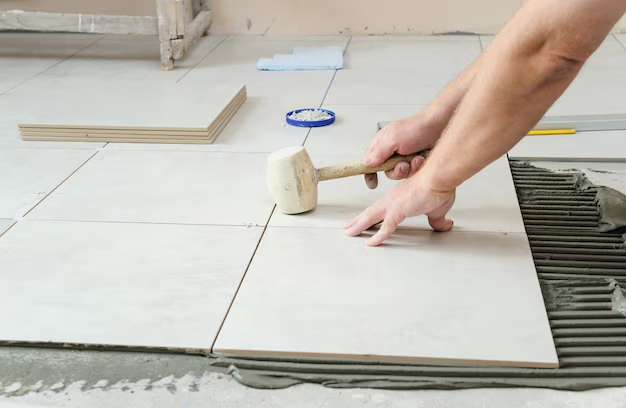



Patios, facades and parking areas are not one uniform use case. Gravity, temperature changes, moisture and traffic introduce different demands. This updated guide stays focused on the topic of the existing Redwop article and is intended for specifiers, contractors and project owners who need practical decision-making information. The objective is…
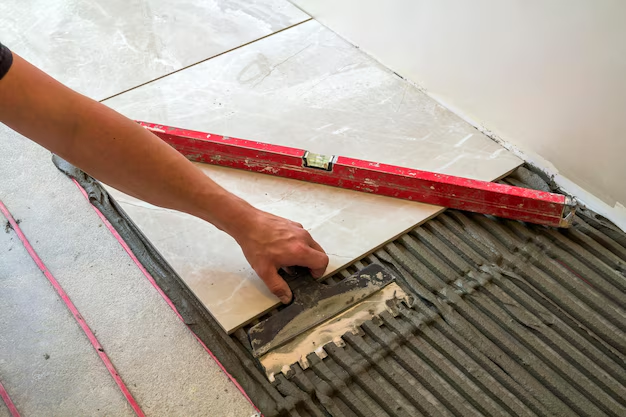
Choosing Tile Adhesive for High-Rise Construction: Wind, Load, and Vibration Considerations Yes, the selection of the appropriate tile adhesive is necessary in high-rise construction. Advanced solutions like polymer tile adhesive, epoxy tile adhesive, and PU-based adhesive are required to meet the demands of wind pressure, structural loads, and constant vibrations,…
The Role of Tile Adhesive in Seismic Zones: Flexibility and Crack Resistance Yes. The failure of tiles is common in seismic areas since the traditional cement mortar is not able to withstand the movements of the ground. Modern tile adhesive, particularly Polymer tile adhesive and PU based adhesive, is flexible…
Why Do Tiles Pop Off? Common Reasons and How Tile Adhesive Fixes Them The main causes of tiles cracking off include improper surface preparation, adhesive selection, area coverage, and movement and exposure to moist weather. This can be avoided most effectively by applying a high-performance tile adhesive, such as the…
Innovative Uses of Tile Adhesive in Modern Construction Beyond Flooring and Walls For years, tile adhesive was seen as a simple solution for fixing tiles on floors and walls. Builders often relied on cement mortar, but the results were inconsistent: weak bonding, hollow sounds beneath tiles, cracks, and water seepage.…
Polymer-modified tile adhesives are chosen for defined installation requirements, but the word “polymer” alone does not establish the final performance grade. This updated guide stays focused on the topic of the existing Redwop article and is intended for specifiers, contractors and project owners who need practical decision-making information. The objective…
Ceramic and porcelain tiles vary in absorption, size and intended use. The surface is also part of the decision: concrete, screed and existing tiling are not equivalent substrates. This updated guide stays focused on the topic of the existing Redwop article and is intended for specifiers, contractors and project owners…
How to Install Tiles on Drywall, Plywood, and Non-Traditional Surfaces Using Tile Adhesive Installing tiles on non-traditional surfaces such as drywall, plywood, or existing tiles requires the right approach and the best tile adhesive to ensure long-lasting results. Unlike cement screeds or plaster, these surfaces are prone to movement, moisture…
Cement vs. Modern Tile Adhesives: Choosing the Right Bond for Floors and Walls When it comes to installing tiles, the adhesive you choose plays a critical role in the durability, appearance, and long-term performance of your flooring or wall finishes. Traditionally, cement mortar was the go-to option, but with advancements…
A hollow sound is a symptom, not a complete diagnosis. A tile can sound different because of gaps, substrate conditions or installation characteristics. Some hollow-sounding areas remain stable, while loose or cracked tiles need closer attention. This updated guide stays focused on the topic of the existing Redwop article and…
How Tile Adhesive Selection Affects Waterproofing Integrity in Bathrooms and Balconies. Waterproofing is a vital part of modern construction, especially in moisture-prone areas like bathrooms and balconies. One of the most underappreciated elements in this process is the choice of tile adhesive. A well-selected tile adhesive chemical doesn’t just hold…
How to Select the Right Tile Adhesive for Every Level of a Building—From Ground Floor to Terrace When it comes to constructing a multi-level building in India, tile installation is a critical component of durability, aesthetics, and long-term functionality. However, using the wrong tile adhesive can lead to tile failure,…