


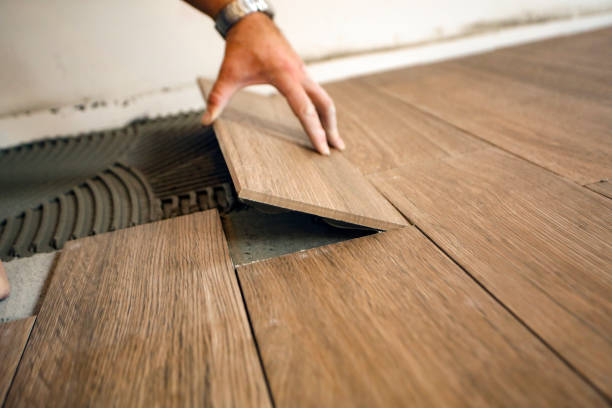
How to Choose the Best Tile Adhesive in India: A Guide for Walls, Floors, and Bathrooms
Choosing the right tile adhesive is one of the most important steps in any tiling project. In India, where climatic conditions such as humidity, rain, and heat play a major role, selecting the wrong adhesive can lead to cracks, debonding, and water seepage. Whether you’re tiling a bathroom, kitchen wall, outdoor terrace, or living room floor, understanding which adhesive works best for each surface is essential.
This guide will help you select the best tile adhesive in India based on surface type, environment, and adhesive composition, ensuring your tiles stay secure and intact for years.
Why Choosing the Right Tile Adhesive Matters
In the past, cement-sand mortar was the default choice for tile installation. But with larger tiles, vertical applications, and more demanding environments like bathrooms and pools, cement mortar often fails. That’s where modern tile adhesives come in.
Proper tile adhesives offer:
- Superior bond strength
- Resistance to moisture and heat
- Flexibility for surface movement
- Longer life of tiling systems
Especially in rain-prone regions of India, using the wrong adhesive can result in damp patches, cracked grout, and tile delamination, leading to expensive repairs.
Types of Tile Adhesives Available in India
Let’s explore the different types of adhesives, their features, and ideal use cases.
Polymer-Modified Cement-Based Adhesives
This is the most commonly used adhesive in residential and commercial tiling. It’s made from cement blended with polymers that enhance bonding and flexibility.
Best for:
- Wall and floor tiles
- Bathrooms and kitchens
- Indoor and outdoor use
Check Redwop Polymer Tile Adhesive – a high-performance adhesive that provides excellent adhesion even on damp or vertical surfaces.
Epoxy Adhesives
Epoxy adhesives are two-component systems composed of resin and hardener. They are highly chemical-resistant, waterproof, and extremely durable.
Best for:
- Industrial kitchens
- Swimming pools
- Chemical processing areas
- Heavy-duty flooring
They are also stain-resistant, making them ideal for hospitals and laboratories. However, they require experienced application and have a higher cost.
PU-Based (Polyurethane) Adhesives
PU-based adhesives are known for their flexibility, making them suitable for surfaces that undergo expansion and contraction. They provide excellent water resistance and bonding on both porous and non-porous surfaces.
Best for:
- Exterior façades
- Glass mosaics
- Wet walls exposed to thermal variation
- Areas with substrate movement
PU adhesives are not as widely used in residential settings but are gaining popularity in high-end architectural projects.
Tile-on-Tile Adhesives
As the name suggests, these are specially formulated adhesives that allow you to install new tiles over existing tiles without removing the old layer.
Best for:
- Bathroom renovations
- Kitchen backsplash upgrades
- Commercial refurbishments
Tile-on-tile solutions save labor and cost but require proper surface preparation and priming.
Where to Use Each Type of Tile Adhesive
Wall Tile Adhesive
Walls require a non-sag adhesive that can hold the weight of tiles without slipping. For ceramic and vitrified tiles, polymer-modified cement adhesives are ideal.
- If you’re tiling a vertical kitchen wall or a bathroom, use Redwop Tile Adhesive Standard for strong bonding and smooth application.
Bathroom Tile Adhesive
Bathrooms are always exposed to water and steam. Your adhesive must resist moisture, fungal growth, and tile shifting.
- Use a water-resistant, flexible adhesive like Redwop Polymer Tile Adhesive for floors and shower walls.
- For bathrooms with old tiles, go for tile-on-tile adhesive with proper surface preparation.
Outdoor Tile Adhesive
Outdoor areas like terraces, balconies, and exterior staircases are exposed to rain, sunlight, and thermal expansion.
- Use PU-based or polymer-modified tile adhesives that can tolerate UV exposure and movement.
- Ensure proper drainage slope to prevent water pooling under the tiles.
Floor Tile Adhesive
For living rooms, hallways, and commercial spaces with high foot traffic, you need adhesives that offer strong mechanical strength and shock absorption.
- Choose a flexible cement-based adhesive that accommodates substrate shifts.
For heavy-duty areas, epoxy adhesives offer unmatched performance.
Tips for Choosing the Right Tile Adhesive
- Check tile type: Porcelain, vitrified, glass mosaics, and large-format tiles need specific adhesive strength.
- Understand your surface: Is it concrete, plaster, existing tile, or gypsum board?
- Assess environmental factors: Areas exposed to water, chemicals, or foot traffic need stronger formulations.
- Choose the right brand: Go with trusted, tested brands like Redwop that offer product quality and technical support.
Read technical data sheets: Always review curing time, working time, pot life, and recommended tile sizes.
Conclusion
With so many tile adhesive options in India, it’s easy to feel overwhelmed. But by understanding your tile type, substrate, and usage area, you can select the right adhesive that ensures long-term performance.
For general walls and floors, polymer-modified adhesives are the most versatile and cost-effective. For demanding applications like bathrooms, pools, or industrial kitchens, you’ll need epoxy or PU-based adhesives. And if you’re working over existing tiles, go with a tile-on-tile adhesive.
Redwop offers a wide range of tile adhesives for walls, bathrooms, floors, and outdoor areas, built to perform in Indian conditions. If you need expert advice or product recommendations tailored to your project, you can easily contact our team.
Frequently Asked Questions (FAQs)
-
1. Which tile adhesive is best for Indian bathrooms?
Use a waterproof, polymer-modified tile adhesive like Redwop Polymer Tile Adhesive for moisture-prone bathroom walls and floors.
-
2. Can I use tile adhesive over existing tiles?
Yes, but only with tile-on-tile adhesives that bond well to glazed surfaces. Make sure the old tiles are firmly fixed and clean.
-
3. What is the difference between epoxy and cement-based adhesive?
Epoxy adhesives are more durable and chemical-resistant but costlier. Cement-based adhesives are affordable, easy to apply, and suitable for most residential areas.
-
4. Is epoxy tile adhesive good for home use?
Only in wet areas like pools or kitchens, where chemical resistance is needed. For most home use, polymer-modified adhesives are enough.
-
5. What adhesive is recommended for outdoor tiles in India?
Use a PU-based or high-performance polymer-modified tile adhesive designed to handle thermal expansion and weather fluctuations.