

When Superplasticizer Fails in Concrete: Causes, Mix Design Errors, and How to Fix Them On paper, adding a superplasticizer to concrete should improve workability, reduce water demand, and increase strength. Yet on many sites, the opposite happens—slump drops suddenly, segregation appears, setting time becomes unpredictable, or strength results fail to…
Choosing Enamel Primer Based on Exposure Conditions: Indoor, Outdoor, and Industrial Environments Selecting the right enamel primer is one of the most difficult decisions to make in any coating system. In many cases, paint failures such as peeling, rusting, or premature breakdown are not caused by the enamel paint itself,…
Industrial Enamel Paint: Uses, Benefits, and How to Choose the Right Enamel Paint for Industrial Applications Industrial environments demand coatings that do more than just look good. Surfaces are constantly exposed to abrasion, moisture, chemicals, heat, and mechanical stress. In such conditions, selecting the right enamel paint becomes critical for…
Waterproofing Concrete Admixtures: How to Choose the Best Waterproofing Admixture for Concrete Water leakage is one of the most frequent issues faced in concrete structures. Over time, moisture penetration can lead to cracks, corrosion of reinforcement, surface damage, and reduced structural strength. This is why waterproofing is no longer treated…
Floor Tile Adhesive Selection for Different Load Conditions: Homes, Offices & Commercial Spaces Floor tiling is one of the most challenging in any building. Unlike wall tiles, floor tiles constantly face weight, movement, vibration, and wear. From residential homes to busy offices and high-traffic commercial spaces, the performance of the…
What Builders Should Expect From Reliable Tile Adhesive Suppliers on Large Construction Sites Large construction sites operate under pressure. Tight timelines, multiple contractors, varied substrates, and large volumes of materials leave very little room for error. In such environments, tile installation is not just about aesthetics; it is about durability,…
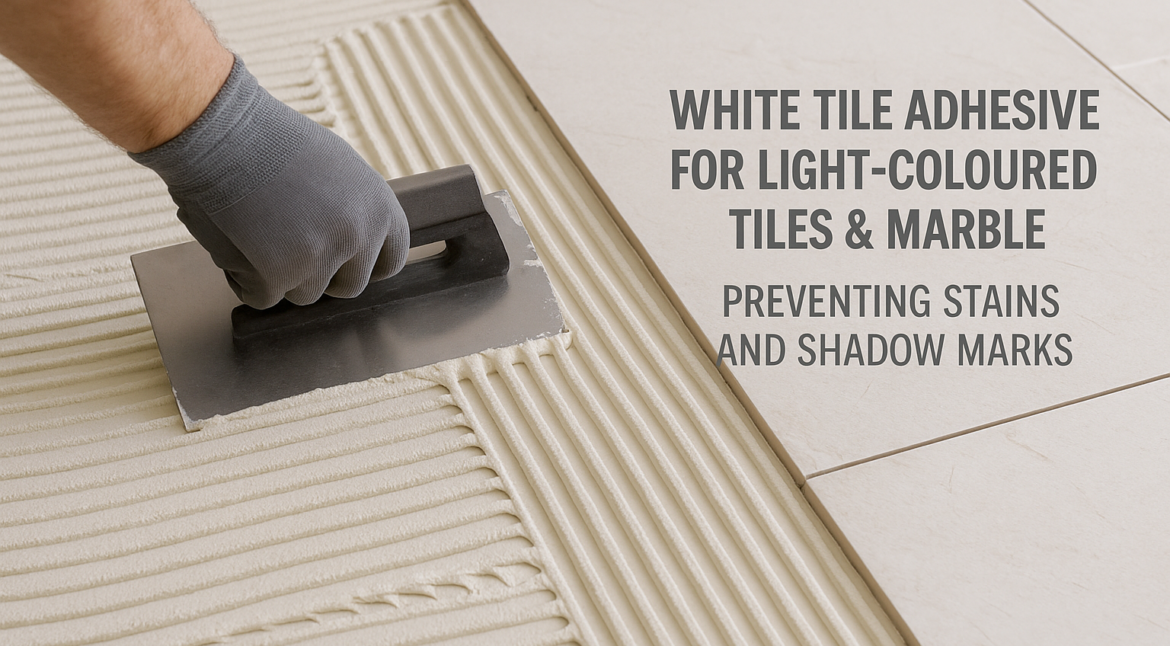
White Tile Adhesive for Light-Coloured Tiles & Marble: Preventing Stains and Shadow Marks Light-coloured tiles and marble are chosen for their clean appearance, brightness, and premium finish. However, these materials are far less forgiving than darker tiles. Even small mistakes in adhesive selection can lead to visible stains, shadow marks,…
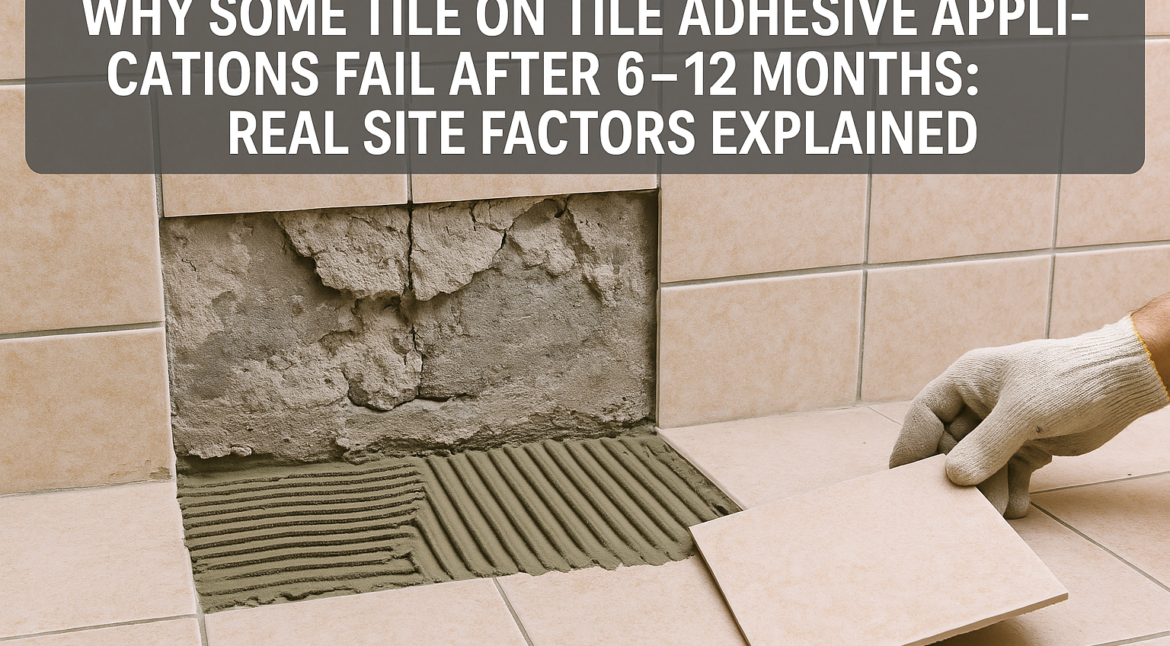
Why Some Tile-on-Tile Adhesive Applications Fail After 6–12 Months: Real Site Factors Explained Tile-on-tile installation has become common in renovation and retrofit projects because it saves time, avoids demolition, and reduces dust. When done correctly, it works well. When shortcuts are taken, failures usually start showing within six to twelve…
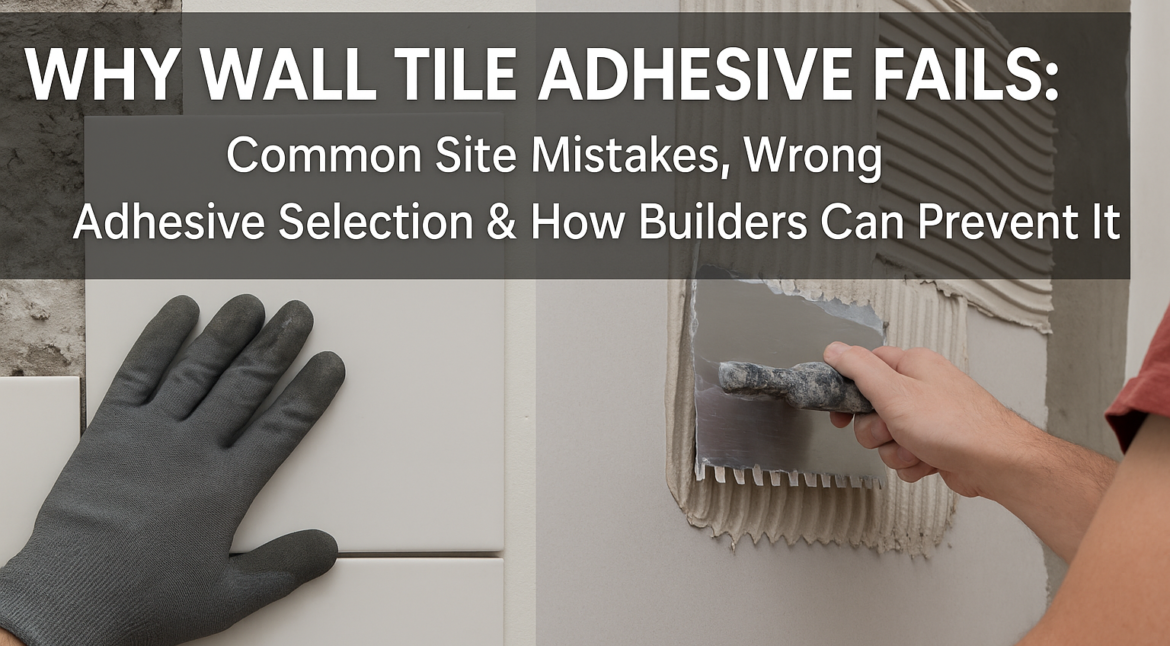
Why Wall Tile Adhesive Fails: Common Site Mistakes, Wrong Adhesive Selection & How Builders Can Prevent It Wall tile failures are one of the most common issues on construction sites, and in most cases, they are preventable. When tiles begin to loosen, sag, debond, or make a hollow sound, the…
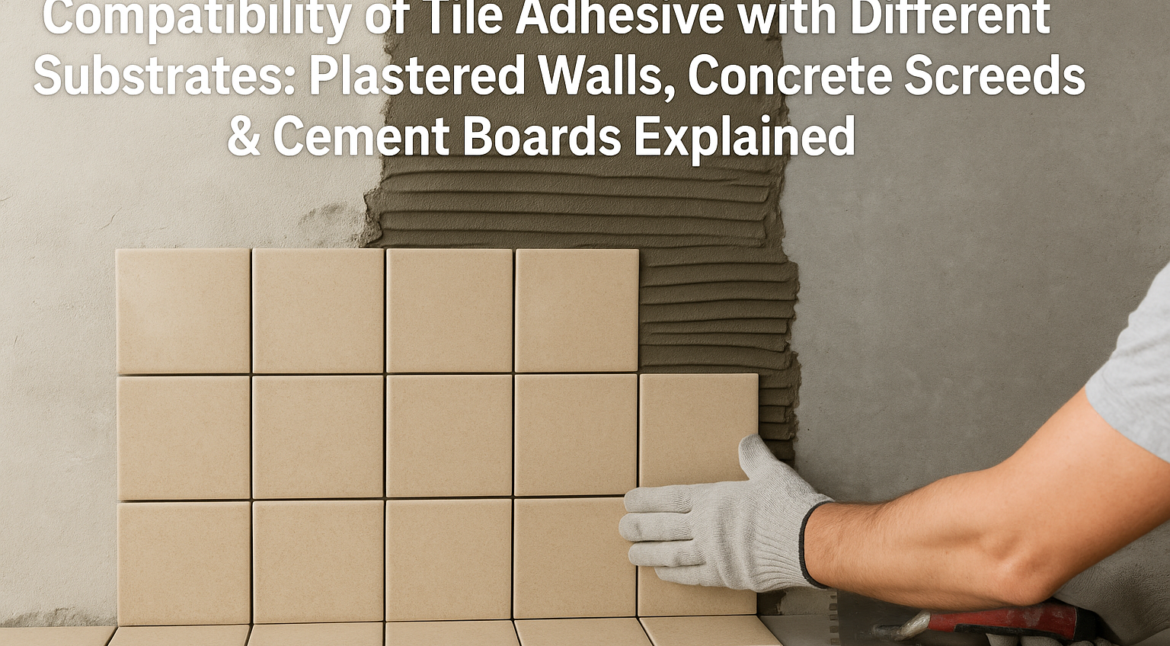
Compatibility of Tile Adhesive with Different Substrates: Plastered Walls, Concrete Screeds & Cement Boards Explained Tile installation is only as strong as the surface it’s bonded to. While tiles often receive most of the visual attention, the real performance depends on the tile adhesive and how well it interacts with…
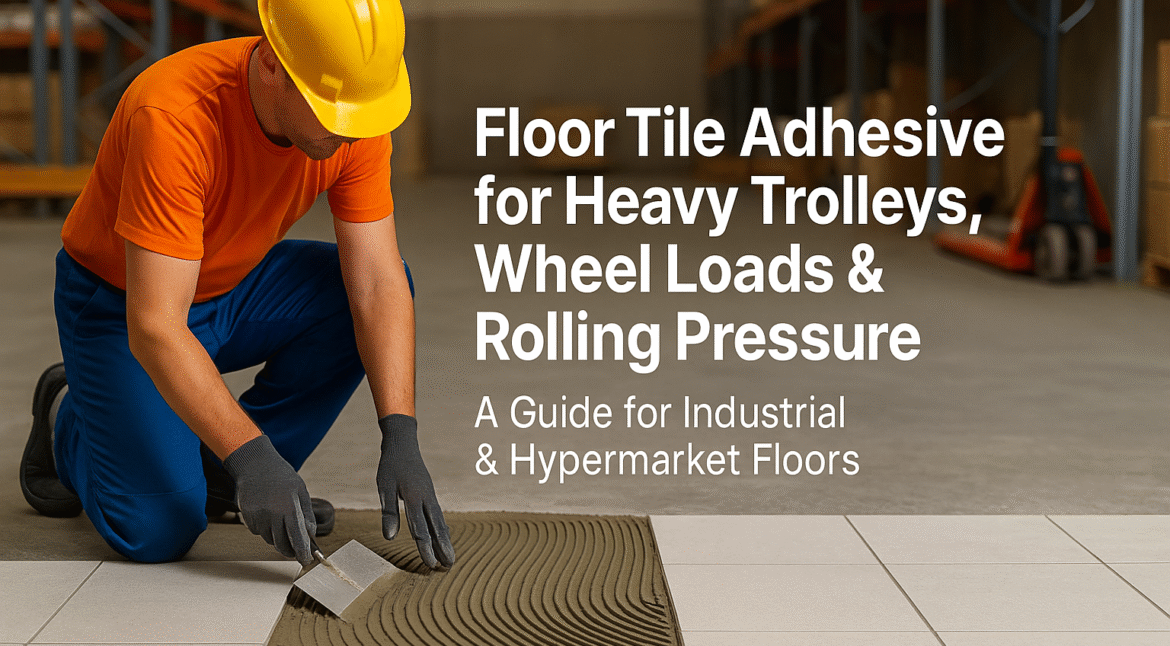
Floor Tile Adhesive for Heavy Trolleys, Wheel Loads & Rolling Pressure: A Guide for Industrial & Hypermarket Floors Industrial floors, retail hypermarkets, logistics warehouses, and large commercial shopping areas face a common challenge is continuous rolling loads. Heavy trolleys, stocking carts, pallet dollies, warehouse equipment, and thousands of footsteps moving…
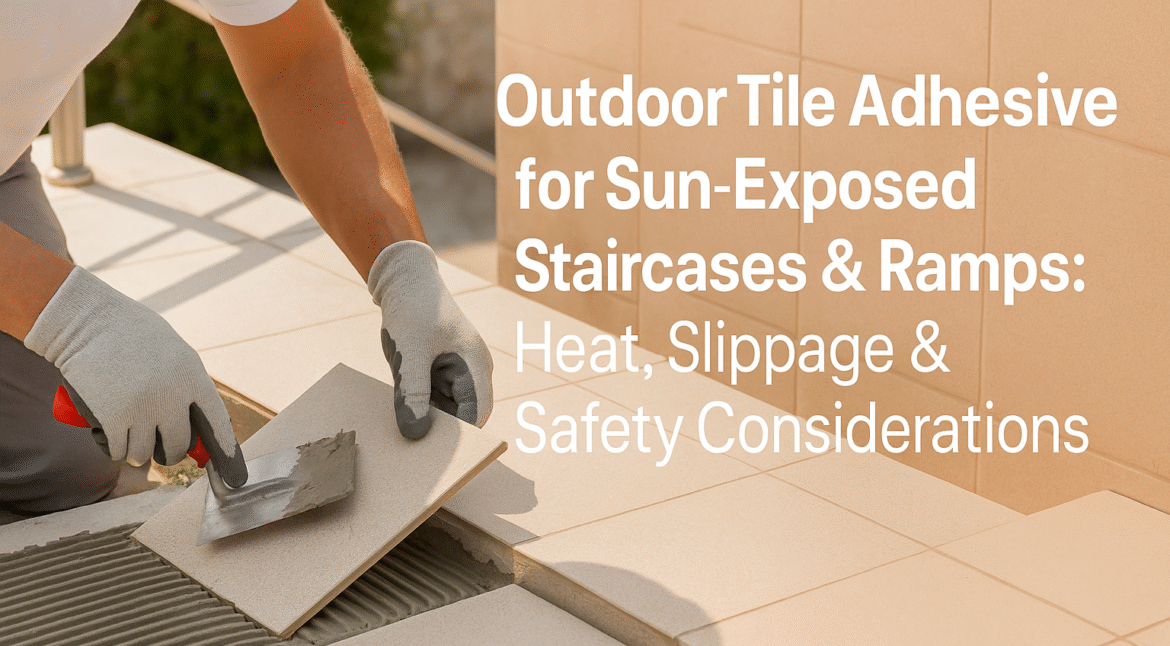
Outdoor Tile Adhesive for Sun-Exposed Staircases & Ramps: Heat, Slippage & Safety Considerations Outdoor staircases and ramps face harsher conditions than almost any other tiled surface. Direct sun exposure, steep incline angles, continuous foot pressure, and sudden weather changes all place significant stress on the tile system. If the adhesive…