


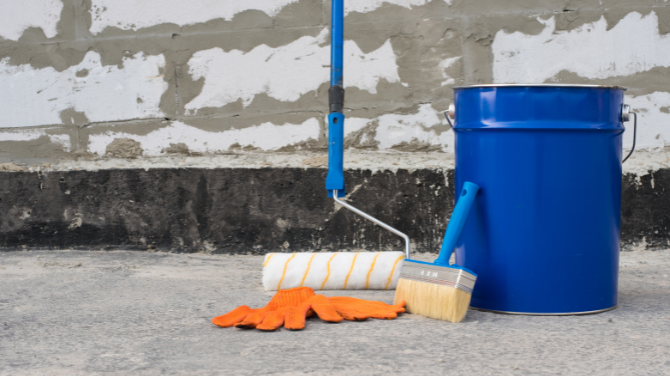
What Are the Advantages of Waterproofing Concrete
Concrete waterproofing protects the intended service environment by managing pathways for water ingress. The most effective approach starts with element design and the likely sources of moisture. This updated guide stays focused on the topic of the existing Redwop article and is intended for specifiers, contractors and project owners who need practical decision-making information. The objective is to explain what to check, why it matters and when a product datasheet or a qualified site professional should determine the next step.
Understand the Actual Site Conditions
Consider whether the concrete is below ground, part of a roof, a wet area or a water-retaining structure. Each condition has different details for movement, penetrations and construction joints. A useful inspection record includes clear photographs, the construction element involved, current surface condition and the point at which the defect or performance requirement appears. This helps distinguish an unsuitable material choice from substrate, detailing, workmanship or maintenance issues. A proposed repair should address the verified cause rather than merely cover the visible symptom.
How to Select a Suitable Redwop Solution
Redwop supplies waterproofing chemical families and concrete-related admixtures. Select a system suited to the element rather than assuming one coat or additive serves all exposures. Product categories can include several grades with different intended uses. The final choice should be based on the current Redwop datasheet, the receiving surface, construction sequencing, environmental exposure and the relevant project specification. The product selection is strongest when it can be explained in terms of the stated site requirement, not a generic “best product” claim.
Practical Preparation and Application Considerations
Plan membrane continuity or integral admixture use as part of the project specification, prepare surfaces and verify details at corners and joints. Before beginning work, confirm that the material is within its stated storage and handling conditions, that the substrate is ready and that the crew has the product-specific preparation, mixing, application and safety instructions. It is better to make a small test area when compatibility or appearance is uncertain than to rely on assumptions across an entire project.
Common Mistakes and How to Avoid Them
Waterproofing cannot correct an inadequately designed structural element; cracks and construction joints may need additional treatment. Other preventable errors include skipping surface inspection, overlooking movement or construction joints, reusing instructions from a different material class and proceeding in weather or moisture conditions that the selected product does not permit. Quality checks should be planned before the final layer conceals the work. Where structural integrity is involved, the engineer’s requirements take priority.
Project Selection Checklist
- Confirm that concrete waterproofing addresses the actual installation, substrate, or repair objective.
- Document the substrate, exposure, intended use and any observed defect.
- Choose a Redwop product only after comparing its stated uses and current datasheet.
- Plan preparation, curing or service protection according to the selected system.
- Check finished work and record any details needing specialist review.
Frequently Asked Questions
What is the main benefit of waterproofing concrete?
It helps manage unwanted water entry when used as part of a properly detailed system.
Can the same construction chemical be specified for every project?
No. Product classes and individual grades have different intended uses; select them against the actual environment, substrate and technical documentation.
Why does preparation matter?
Even a correctly selected product may not perform as intended when applied to unsuitable, contaminated, unstable or inadequately prepared material. Follow the product-specific instructions and project specification.
Conclusion
For projects involving concrete waterproofing, the right decision follows actual site conditions and the selected material’s technical documentation. Redwop Chemicals publishes relevant product categories and specifications to support comparison and procurement. Keep project-specific inspection and quality-control checks, and avoid substituting generic claims for an approved installation method.
Redwop Product & Technical Reference
Product Reference: https://www.redwop.net/construction-chemicals/
Technical Resource Directory: Redwop Construction Chemicals